

What are the disadvantages of chair rattan?
Oct 29, 2025
As a supplier of chair rattan, I've had the privilege of witnessing the widespread appeal of this material in the furniture industry. Rattan chairs are often celebrated for their natural aesthetic, lightweight construction, and breathability. However, like any material, chair rattan is not without its drawbacks. In this blog post, I'll delve into some of the disadvantages of chair rattan, offering a balanced perspective for consumers and industry professionals alike.
Durability Concerns
One of the primary disadvantages of chair rattan is its relatively low durability compared to other materials. Rattan is a natural material, typically sourced from palm plants. While it is strong in its natural state, it is susceptible to damage from a variety of factors. For instance, exposure to excessive moisture can cause rattan to weaken, rot, or develop mold. This is particularly problematic for outdoor furniture, where chairs are often exposed to rain, humidity, and dew. Even indoor rattan chairs can be affected by high humidity levels in areas such as bathrooms or kitchens.
In addition to moisture, rattan is also vulnerable to physical damage. Its fibrous structure makes it prone to tearing, fraying, and splitting, especially if subjected to rough handling or sharp objects. For example, if a pet scratches at a rattan chair or a heavy object is dropped on it, the rattan can easily become damaged. Over time, this wear and tear can compromise the structural integrity of the chair, reducing its lifespan and making it less comfortable to use.
Maintenance Requirements
Another drawback of chair rattan is the high level of maintenance it requires. To keep rattan chairs looking their best and functioning properly, regular cleaning and upkeep are essential. Dust, dirt, and debris can accumulate in the crevices of the rattan, making it look dull and dirty. To clean rattan chairs, it is recommended to use a soft brush or a vacuum cleaner with a soft brush attachment to remove loose dirt and dust. For more stubborn stains, a mild soap solution can be used, but it's important to avoid using harsh chemicals or abrasive cleaners, as these can damage the rattan.
In addition to regular cleaning, rattan chairs also need to be protected from the elements. If used outdoors, they should be covered or stored indoors during periods of inclement weather to prevent damage from moisture and UV rays. UV rays can cause the rattan to fade and become brittle over time, so it's important to use a protective coating or cover to shield the chairs from the sun. Indoors, rattan chairs should be kept away from direct sunlight and heat sources, as these can also cause the rattan to dry out and crack.
Limited Design Options
While rattan chairs are known for their natural and rustic appeal, they may not be suitable for all design styles. The unique texture and appearance of rattan can be difficult to match with certain interior or exterior design schemes. For example, in a modern or minimalist setting, the natural look of rattan may seem out of place or too casual. Additionally, the traditional weaving patterns and shapes of rattan chairs may limit the design options available, making it challenging to find a rattan chair that fits the specific aesthetic and functional requirements of a space.
Furthermore, rattan chairs may not be as versatile as other types of chairs in terms of customization. Unlike chairs made from materials such as wood or metal, which can be easily painted, stained, or modified, rattan chairs are more difficult to customize. The natural color and texture of the rattan are an integral part of its appeal, and any attempts to alter them may result in a less desirable appearance.
Cost
Rattan chairs can be relatively expensive compared to chairs made from other materials. The cost of rattan is influenced by several factors, including the quality of the rattan, the complexity of the weaving process, and the brand. High-quality rattan, which is typically sourced from sustainable plantations and undergoes rigorous processing to ensure its strength and durability, can be more expensive than lower-quality rattan. Additionally, the labor-intensive nature of the weaving process, which often requires skilled artisans, can also contribute to the higher cost of rattan chairs.
For consumers on a budget, the cost of rattan chairs may be a significant deterrent. While there are some more affordable options available, these may be of lower quality and may not offer the same level of durability and comfort as more expensive rattan chairs. As a result, consumers may need to carefully consider their budget and priorities when deciding whether to invest in rattan chairs.
Allergic Reactions
Some individuals may experience allergic reactions to rattan. Rattan is a natural material, and like other natural materials, it can contain allergens such as dust mites, pollen, and mold spores. These allergens can trigger allergic reactions in sensitive individuals, causing symptoms such as itching, sneezing, coughing, and watery eyes. In severe cases, allergic reactions to rattan can even lead to asthma attacks or other respiratory problems.
If you or someone in your household has allergies or sensitivities, it's important to consider this potential drawback before purchasing rattan chairs. You may want to test the chairs in a small area or consult with an allergist to determine if you are allergic to rattan. Additionally, regular cleaning and maintenance of the chairs can help reduce the risk of allergic reactions by removing allergens from the surface of the rattan.
Conclusion
While chair rattan has many advantages, including its natural beauty, lightweight construction, and breathability, it also has several disadvantages that should be considered before making a purchase. Durability concerns, high maintenance requirements, limited design options, cost, and the potential for allergic reactions are all factors that can affect the suitability of rattan chairs for a particular space or user.
As a supplier of chair rattan, I understand the importance of providing our customers with accurate and comprehensive information about the products we offer. We believe that by being transparent about the disadvantages of chair rattan, we can help our customers make informed decisions and choose the furniture that best meets their needs and preferences.
If you're still interested in exploring the possibilities of chair rattan, we invite you to check out our Bistro Dining Folding Chairs Outdoor Furniture, Outdoor Fabric Dining Furniture Sets, and Garden Furniture Outdoor Use Design. These products offer a range of styles and features to suit different tastes and budgets.
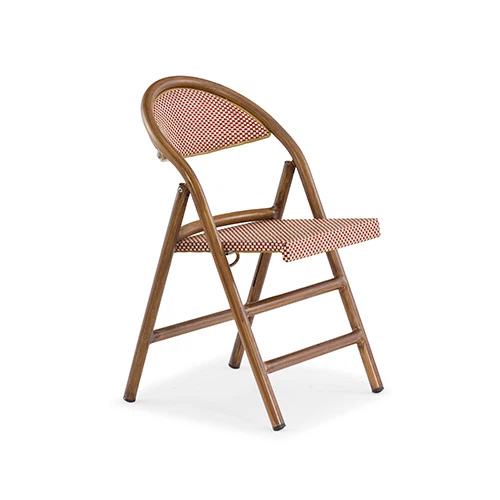
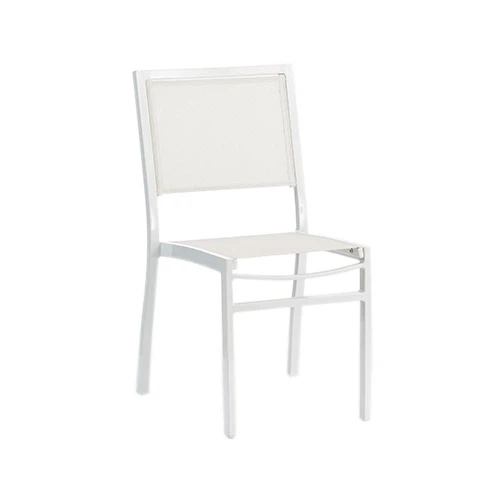
If you have any questions or would like to discuss your specific requirements, please don't hesitate to contact us. We're here to help you find the perfect chair rattan solution for your home or business.
References
- "Rattan Furniture: Pros and Cons." The Spruce, https://www.thespruce.com/rattan-furniture-pros-and-cons-4175373.
- "How to Care for Rattan Furniture." Real Simple, https://www.realsimple.com/home-organizing/furniture/care-rattan-furniture.
- "The Disadvantages of Rattan Furniture." Home Guides, https://homeguides.sfgate.com/disadvantages-rattan-furniture-77307.html.