

What are the unique aspects of Japanese chairs design?
Oct 16, 2025
Hey there! As a supplier in the chairs design industry, I've always been fascinated by the unique aspects of Japanese chairs design. In this blog, I'm gonna share with you what makes Japanese chair design so special and stand out in the global market.
The Influence of Nature
One of the most striking things about Japanese chair design is its deep - rooted connection with nature. Japan is a country with rich natural beauty, from its majestic mountains to its serene forests and coastal areas. Designers often draw inspiration from these natural elements.
For example, the use of natural materials is extremely common. Wood is a staple in Japanese chair design. Different types of wood, such as cherry, oak, and bamboo, are carefully selected for their unique textures and colors. Bamboo, in particular, is not only strong but also has a light and airy feel. It gives chairs a sense of freshness and a touch of the outdoors. Our Bamboo Style Stackable Bistro Dining Chair is a great example of how bamboo can be incorporated into chair design. It's not only eco - friendly but also has a unique aesthetic that brings a bit of nature into your dining space.
The shapes and forms of Japanese chairs are also inspired by nature. You'll often see curves that mimic the gentle slopes of a hill or the flow of a river. These organic shapes make the chairs more comfortable and also create a harmonious connection between the chair and its surroundings.
Minimalism and Simplicity
Japanese design is well - known for its minimalism, and chair design is no exception. Japanese chairs typically have clean lines and simple forms. There are no excessive decorations or unnecessary details. This minimalist approach not only gives the chairs a sleek and modern look but also emphasizes the quality of the materials and the craftsmanship.

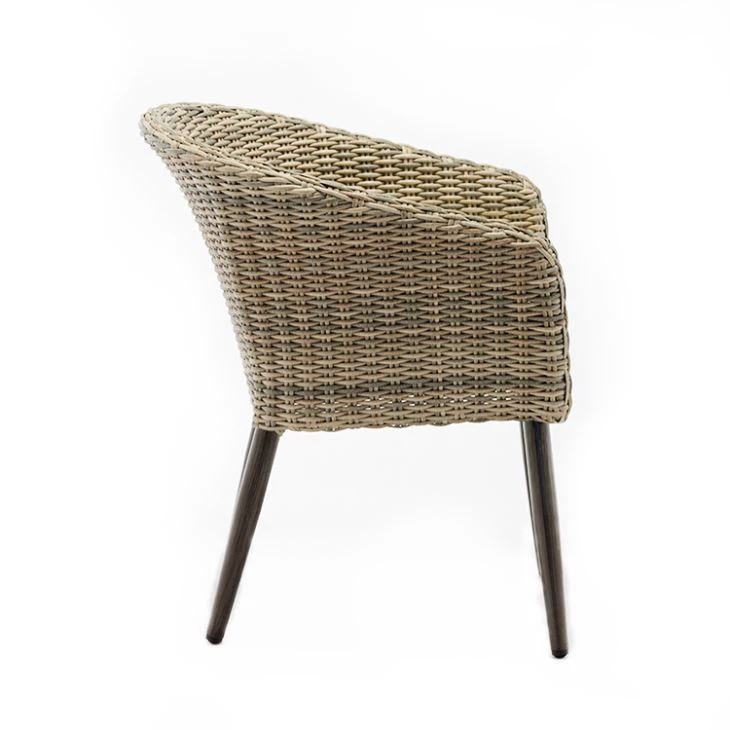
Minimalist Japanese chairs are designed to be functional and practical. They focus on the essential elements of sitting, such as providing proper support and comfort. For instance, a traditional Japanese tatami chair might have a simple frame with a flat seat and backrest. The simplicity allows the chair to blend seamlessly into different interior styles, whether it's a modern apartment or a traditional Japanese home.
This simplicity also extends to the color palette. Japanese chairs often feature natural, earthy tones like browns, grays, and whites. These colors are calming and create a peaceful atmosphere. Our Outdoor Bistro Chairs New Design showcases this minimalist color approach. The brown wicker gives it a natural and rustic look that fits perfectly in an outdoor setting.
Attention to Detail and Craftsmanship
Japanese culture places a high value on craftsmanship, and this is evident in chair design. Every step of the chair - making process is carefully considered and executed with precision.
From the selection of materials to the final finishing touches, Japanese artisans take pride in their work. They use traditional techniques that have been passed down through generations, combined with modern technology when necessary. For example, when joining pieces of wood, they might use dovetail joints or other traditional woodworking methods that ensure the strength and durability of the chair.
The attention to detail can also be seen in the surface finishes. Japanese chairs often have smooth, polished surfaces that feel great to the touch. The edges are carefully sanded to prevent any splinters or rough spots. This level of craftsmanship not only makes the chairs more beautiful but also more comfortable and long - lasting. Our Black Modern Dining Chairs Table Set is a testament to this attention to detail. The black finish is smooth and elegant, and the construction is solid, ensuring a high - quality dining experience.
Cultural Significance
Japanese chairs are not just pieces of furniture; they also carry cultural significance. In traditional Japanese homes, different types of chairs are used for specific purposes and in specific settings. For example, the zabuton is a cushion - like seat that is often used on tatami floors. It's a symbol of relaxation and comfort in a traditional Japanese living space.
Chairs can also be used in tea ceremonies, which are an important part of Japanese culture. These chairs are designed to be simple and unobtrusive, so as not to distract from the focus of the ceremony. They are often made from natural materials and have a calm and peaceful appearance.
Adaptability and Versatility
Japanese chairs are highly adaptable and versatile. They can be used in a variety of settings, both indoors and outdoors. Their simple and timeless designs make them suitable for different interior styles, from traditional Japanese to contemporary Western.
For indoor use, Japanese chairs can be placed in living rooms, dining rooms, or even bedrooms. They can add a touch of elegance and tranquility to any space. Outdoors, they are perfect for patios, gardens, or balconies. Their natural materials and colors blend well with the outdoor environment.
Comfort and Ergonomics
Despite their simple designs, Japanese chairs are designed with comfort and ergonomics in mind. The shapes of the seats and backrests are carefully crafted to support the human body in a natural and comfortable position. For example, some Japanese chairs have slightly curved seats that conform to the shape of the body, reducing pressure points and providing better support.
The use of soft materials, such as cushions and padding, also enhances the comfort of the chairs. Even in minimalist designs, there is a focus on ensuring that the user can sit for extended periods without feeling discomfort.
Conclusion
In conclusion, Japanese chair design is truly unique. Its connection with nature, minimalism, attention to detail, cultural significance, adaptability, and focus on comfort make it stand out in the world of chair design. Whether you're looking for a chair for your home, office, or outdoor space, Japanese - inspired chairs can offer a combination of style and functionality that is hard to beat.
If you're interested in exploring our range of chairs that draw inspiration from Japanese design or other styles, we'd love to have a chat with you. Feel free to reach out to us for a procurement discussion. We're here to help you find the perfect chairs for your needs.
References
- Kurokawa, Kisho. "The Japanese Idea of Space." Weatherhill, 1997.
- Papanek, Victor. "Design for the Real World: Human Ecology and Social Change." Pantheon Books, 1971.
- Tanaka, Shigeo. "Graphic Design: A New Language." Kodansha International, 1987.